

About
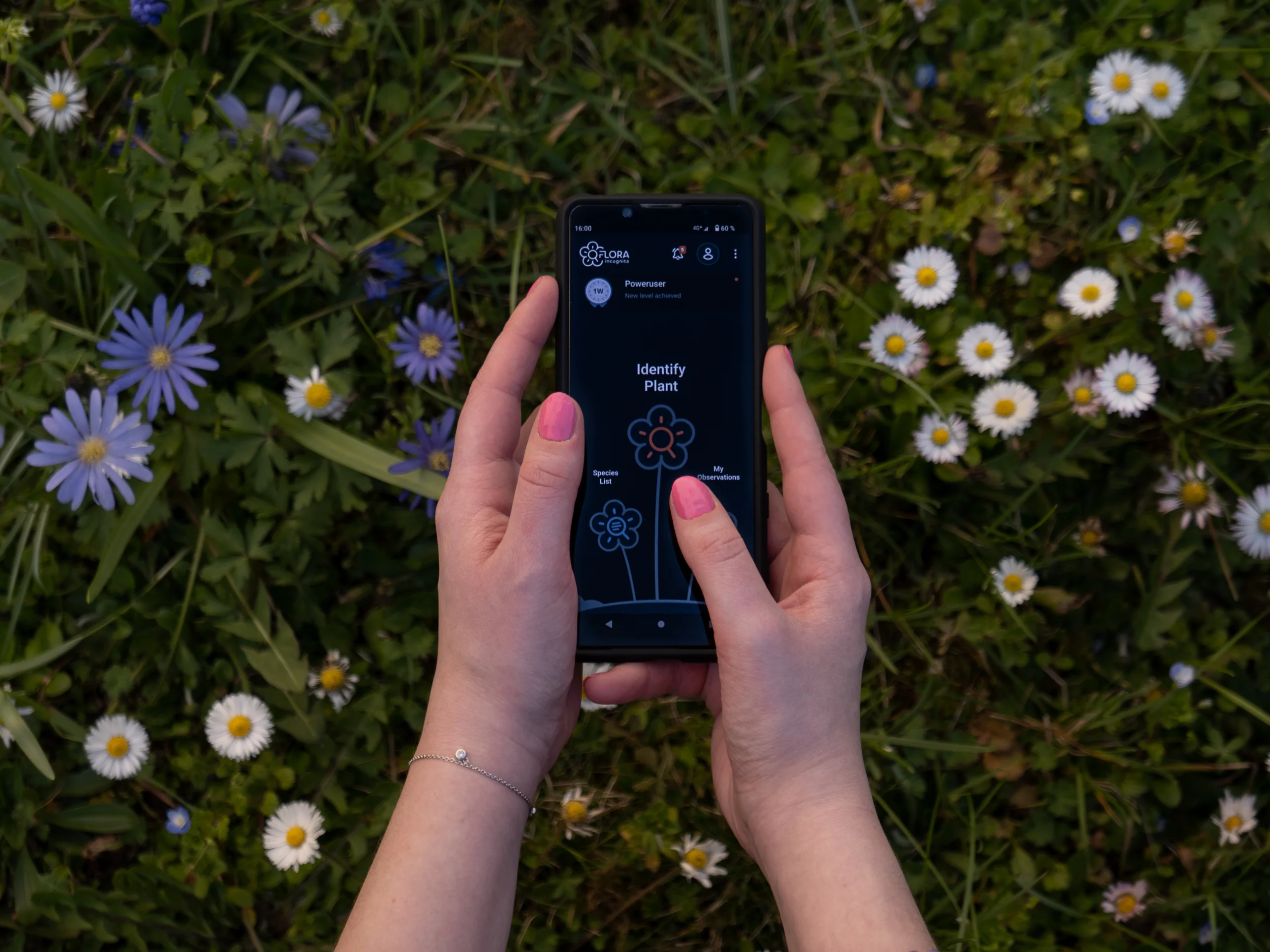
Flora Incognita is a research-backed, AI-powered plant identification application developed through a collaboration between Technische Universität Ilmenau and the Max Planck Institute for Biogeochemistry. Leveraging advanced computer vision and deep learning, the app enables users to photograph plants and receive instant, highly accurate species identification — covering more than 30,000 plant species with a documented accuracy rate of 98.8%. Beyond identification, Flora Incognita offers rich plant fact sheets detailing characteristics, protection status, phenology, and geographic distribution. Users can save their plant observations, which contribute directly to citizen science initiatives such as the Flora Incognita++ and PollenNet projects, helping researchers study biodiversity, urbanization impacts, and climate change. The app is completely free of charge, contains no advertisements, and is designed to function offline — making it an exceptional tool for educators, students, botanists, hikers, and nature conservationists who may work in areas with limited connectivity. A companion Flora Capture app is also available for more structured data collection. Flora Incognita is suitable for a wide audience: casual nature enthusiasts curious about plants they encounter, students and teachers in biology or environmental science, professional researchers collecting field data, and conservation organizations monitoring flora across regions. Its combination of scientific rigor, accessibility, and community contribution makes it a standout tool in the citizen science and environmental education space.
Key Features
- AI Plant Identification: Identify over 30,000 plant species from photos using advanced computer vision, achieving a scientifically validated accuracy rate of 98.8%.
- Offline Functionality: Works without a constant internet connection, making it reliable for fieldwork, hiking, and use in remote or low-connectivity areas.
- Detailed Plant Fact Sheets: Access comprehensive information about each plant including characteristics, protection status, phenology, and geographic distribution.
- Citizen Science Contribution: Save and share plant observations to contribute directly to ongoing scientific research projects like Flora Incognita++ and PollenNet.
- Flora Capture Companion App: A dedicated companion app for structured, systematic plant data collection to support academic and conservation field studies.
Use Cases
- Students and teachers using the app during biology fieldwork or outdoor environmental science lessons to identify and learn about local plant species.
- Hikers and nature enthusiasts identifying unknown plants encountered on trails, with access to detailed facts about each species including safety and protection status.
- Conservation organizations and ecologists collecting structured field observations for biodiversity monitoring and habitat assessments.
- University researchers gathering large-scale citizen science data on plant distribution, flowering times, and the ecological impact of urbanization.
- Schools and universities integrating Flora Incognita into curricula as a free, ad-free educational tool for botany, ecology, and environmental science courses.
Pros
- Completely Free and Ad-Free: The app is available at no cost with zero advertisements, making it accessible to students, educators, and conservationists without financial barriers.
- Exceptional Identification Accuracy: A scientifically documented 98.8% accuracy rate makes Flora Incognita one of the most reliable plant identification tools available.
- Supports Real Scientific Research: User observations feed directly into peer-reviewed citizen science projects, giving casual users a meaningful role in biodiversity and climate research.
- Offline Capability: Reliable plant identification even without internet access — essential for fieldwork, nature walks, and classroom use in remote settings.
Cons
- Limited to Plant Species Only: Flora Incognita is focused exclusively on plant identification and does not support animals, fungi, or other nature categories.
- Primarily Research-Oriented UX: The app's citizen science focus may feel less streamlined for casual users who just want quick identification without engaging with data contribution features.
- Species Coverage May Vary by Region: While 30,000+ species are supported, identification quality and database completeness may vary depending on geographic region, particularly outside Europe.
Frequently Asked Questions
How accurate is Flora Incognita's plant identification?
Flora Incognita has been independently validated with a 98.8% identification accuracy rate across a broad range of plant species, as documented in a scientific study published in 2024.
Does Flora Incognita work without an internet connection?
Yes, Flora Incognita is designed to work without a constant internet connection, making it ideal for fieldwork, hiking, and use in areas with limited or no mobile data coverage.
Is Flora Incognita really free? Are there any hidden costs or ads?
Flora Incognita is completely free of charge and contains no advertisements. There are no premium tiers or in-app purchases — the full feature set is available to all users at no cost.
How many plant species can the app identify?
The app can identify more than 30,000 plant species, covering a wide range of wild and cultivated plants across multiple continents, with particularly strong coverage of European flora.
How does Flora Incognita contribute to citizen science?
When users save plant observations in the app, that data is contributed to ongoing research projects such as Flora Incognita++ and PollenNet, helping scientists study biodiversity, the effects of urbanization, and phenological changes linked to climate change.