

About
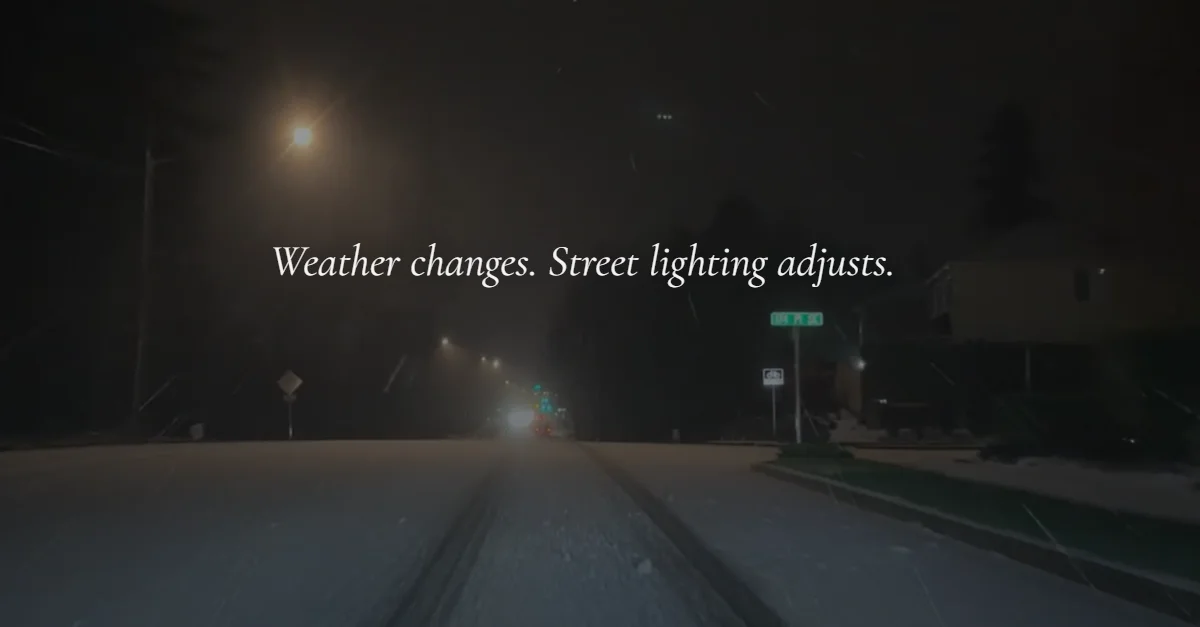
Photometrics AI is a context-aware street lighting optimization platform designed for municipalities, utilities, and transportation agencies. Unlike traditional street lighting systems that simply turn on at dusk and off at dawn, Photometrics AI introduces a responsive intelligence layer that adapts lighting to real-world conditions in real time — all through software alone, with no hardware retrofits required. The platform connects directly to existing networked lighting control infrastructure, uses AI to analyze factors such as weather changes, scheduled events, transit schedules, time of night, and pedestrian crosswalk activity, and automatically pushes updated lighting schedules to deployed fixtures. This enables benefits across multiple city priorities: improved crosswalk and transportation safety, reduced energy costs (up to 35% savings), dark sky and migratory bird protection, and better alignment with climate targets. Key capabilities include weather-responsive dimming, event-aware surge lighting (e.g., when a sports game ends), early-morning transit stop illumination, and nighttime dimming during low-traffic hours. Photometrics AI is protected by U.S. patents and positions itself as the 'missing software layer' for smart city lighting networks. It is best suited for city planners, public works departments, utilities, and transportation agencies looking to modernize their lighting operations without capital-intensive hardware replacements.
Key Features
- Software-Only Deployment: Integrates with existing networked lighting controls — no new hardware, no retrofits, and no field crews required. Results can be deployed in weeks.
- AI-Driven Adaptive Scheduling: Automatically adjusts lighting levels based on real-time conditions including weather, time of night, scheduled public events, and transit activity.
- Safety & Crosswalk Optimization: Proactively illuminates crosswalks and pedestrian areas before people arrive, improving public and transportation safety without manual intervention.
- Dark Sky & Wildlife Protection: Dims lights during migratory bird seasons and late-night hours to reduce light pollution and support environmental compliance goals.
- Energy Savings & Grid Stability: Delivers up to 35% energy savings by eliminating unnecessary full-brightness operation during low-demand periods, supporting climate and utility targets.
Use Cases
- A city public works department uses Photometrics AI to automatically increase crosswalk brightness when pedestrian activity is detected, reducing nighttime pedestrian accidents without manual reprogramming.
- A municipal utility deploys the platform to cut overnight energy consumption by up to 35% by dimming low-traffic streets between midnight and 5 AM, contributing to climate reduction targets.
- A transportation agency integrates Photometrics AI to ensure bus stops are fully lit before the first early-morning routes, improving rider safety and satisfaction.
- An event venue district uses the platform to automatically boost street lighting levels when large crowds exit stadiums or concert halls, adapting to real-time event schedules.
- A conservation-conscious city uses Photometrics AI to dim street lights along migration corridors during key bird migration periods each spring and fall, reducing avian collision risk.
Pros
- No Capital Investment Required: Works entirely through software on existing networked lighting infrastructure, eliminating the need for costly hardware upgrades or field deployments.
- Fast Time to Value: New optimized lighting schedules can be deployed in weeks rather than years, giving cities rapid ROI without lengthy procurement or installation cycles.
- Multi-Objective Optimization: Simultaneously addresses safety, energy cost, dark sky protection, wildlife impact, and climate goals — all from a single software platform.
- Patented Technology: Protected by U.S. patents, ensuring a defensible and proven approach to precision street lighting optimization.
Cons
- Requires Existing Networked Controls: The platform only works with cities or utilities that already have networked (smart) lighting control systems installed — legacy non-networked infrastructure is not supported.
- Enterprise-Focused Pricing: Pricing and access appear to be structured around enterprise or municipal contracts, with no self-serve or transparent pricing available publicly.
- Narrow Use Case: The platform is purpose-built for street and civic lighting optimization, making it unsuitable for general-purpose smart building or indoor lighting use cases.
Frequently Asked Questions
Does Photometrics AI require new hardware to be installed?
No. Photometrics AI is a software-only solution that works with your city's existing networked lighting controls. No trucks, no field crews, and no hardware retrofits are needed.
How much energy can cities save using Photometrics AI?
Cities can achieve up to 35% energy savings by dynamically adjusting lighting levels to match actual conditions rather than running lights at full brightness around the clock.
How does the AI decide when and how much to dim street lights?
The AI analyzes real-world inputs including weather conditions, time of night, scheduled public events, transit timetables, and pedestrian safety zones to generate optimized lighting schedules automatically.
How long does it take to deploy Photometrics AI?
Because no hardware changes are required, new optimized lighting schedules can typically be deployed within weeks of integration with your existing lighting control network.
Does Photometrics AI help with dark sky and wildlife conservation?
Yes. The platform can automatically dim street lights during migratory bird seasons and late-night hours, reducing light pollution in alignment with dark sky standards and environmental goals.