

About
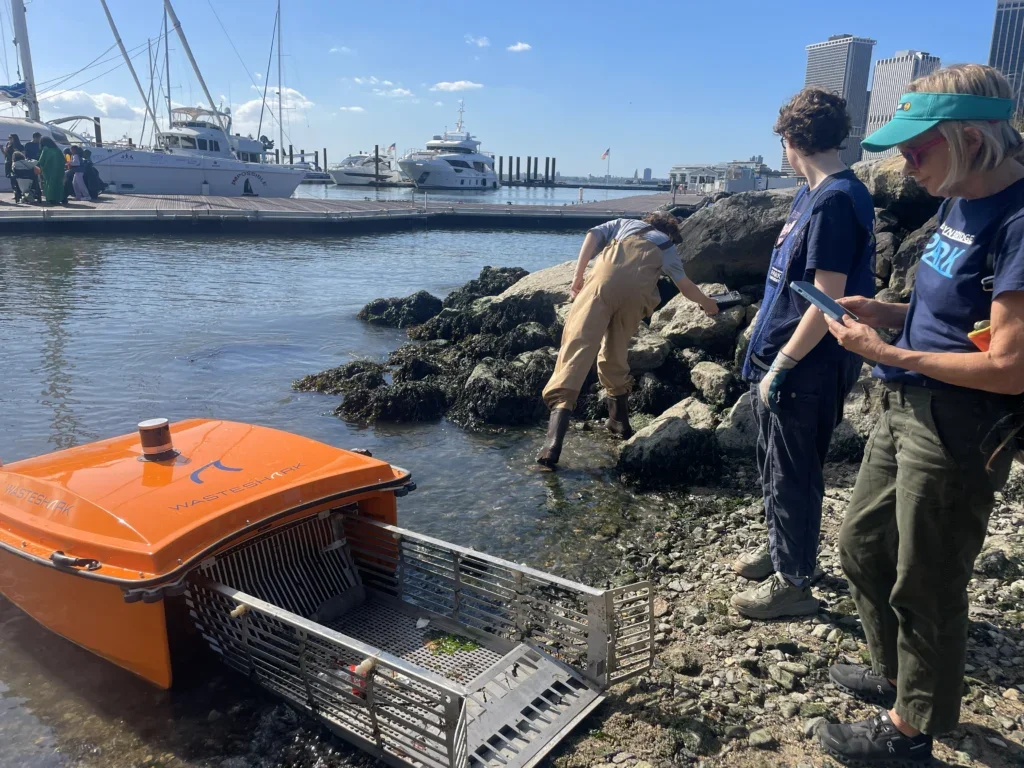
RanMarine is a pioneering autonomous marine technology company offering a fleet of robotic waterway cleaning and monitoring solutions. Their flagship WasteShark is an agile, remote-controlled aquatic waste collector that removes floating plastic, biomass, and debris from marinas, harbors, canals, and ports — reducing dependency on labor-intensive manual cleanup crews. The WasteShark+ PRO model adds autonomous navigation, AI-readiness, and advanced sensor integration for data-driven operations at scale. The CyanoShark targets harmful cyanobacteria (blue-green algae) blooms using precision, chemical-free removal methods that restore swim-safe water quality without ecological harm. For high-volume industrial environments, the MegaShark delivers large-capacity waste collection suited to commercial waterfronts. Beyond collection, RanMarine's Data & Monitoring solution captures real-time water quality metrics — including pH, temperature, and depth — enabling environmental managers to make informed decisions. Their Robotics-as-a-Service (RaaS) model makes it operationally accessible for port authorities and facilities teams to scale deployments without heavy capital investment. RanMarine's solutions are trusted by clients including PortsToronto, Gemeente Zaanstad, and event organizers managing large-scale waterway environments across Europe and North America. They address pressing environmental challenges including plastic pollution, toxic algal blooms, and water quality degradation — all while reducing operational costs and carbon footprint through emission-free autonomous technology.
Key Features
- Autonomous Waste Collection: WasteShark robots autonomously or remotely collect floating plastics, biomass, and debris from marinas, canals, ports, and harbors — dramatically cutting manual labor requirements.
- Chemical-Free Algae Treatment: CyanoShark precisely targets and removes harmful cyanobacteria (blue-green algae) blooms without chemicals, restoring water safety for communities and ecosystems.
- Real-Time Water Quality Monitoring: Integrated sensors capture pH, temperature, and depth data in real time, providing environmental managers with high-resolution, actionable water quality insights.
- AI-Ready Autonomous Fleet: The WasteShark+ PRO is built for AI integration and advanced sensor payloads, enabling fully autonomous, data-driven operations across large waterfront environments.
- Robotics-as-a-Service (RaaS): RanMarine's RaaS model allows port authorities and facility teams to deploy robotic fleets operationally without large upfront capital, reducing both costs and labor allocation.
Use Cases
- Port authorities using WasteShark to automate debris and plastic removal from harbors, supplementing existing trash trapping programs.
- Municipalities deploying autonomous robots in urban canals to collect floating litter and manage rapidly growing duckweed, keeping waterways attractive and navigable.
- Event and recreation facility managers using CyanoShark to eliminate harmful blue-green algae blooms before they affect swim-safe certifications or public health.
- Marina and yacht harbor operators maintaining pristine water quality for tourists and vessel owners with minimal manual labor using the RaaS model.
- Environmental agencies integrating RanMarine's water quality sensors into monitoring programs for real-time pH, temperature, and depth data across aquatic ecosystems.
Pros
- Reduces Labor Costs: Transforms labor-intensive manual waterway cleanup into automated, efficient operations — freeing staff for higher-value tasks and reducing operational overhead.
- Environmentally Responsible: Emission-free robots and chemical-free algae treatment minimize ecological impact while delivering effective environmental outcomes.
- Proven Global Deployments: Successfully deployed by port authorities, municipalities, and marina operators across Europe and North America, with documented case studies demonstrating measurable impact.
- Integrated Data Collection: Beyond cleanup, the robots capture real-time water quality data, turning routine operations into environmental intelligence-gathering missions.
Cons
- Enterprise-Level Investment: Pricing and deployment complexity are geared toward large organizations; smaller operators or NGOs may find the cost barrier significant without the RaaS model.
- Aquatic Environments Only: Solutions are purpose-built for water-based applications and cannot be repurposed for land-based waste or environmental management use cases.
- Requires Operational Setup: Deploying and managing an autonomous marine fleet requires initial onboarding, training, and coordination with the RanMarine team, which may add lead time.
Frequently Asked Questions
What types of waste can WasteShark collect?
WasteShark collects floating plastics, biomass, duckweed, litter, and general debris from the water surface. The MegaShark model is designed for industrial-scale volume collection in larger commercial environments.
How does CyanoShark treat blue-green algae without chemicals?
CyanoShark uses precision physical removal techniques to target cyanobacteria blooms directly, eliminating harmful algae without introducing chemicals that could disrupt aquatic ecosystems or harm wildlife.
What water quality data do RanMarine robots collect?
RanMarine robots equipped with data sensors can capture real-time measurements of pH, water temperature, and depth, with options for advanced sensor integration to meet specific environmental monitoring needs.
What is the Robotics-as-a-Service (RaaS) model?
RaaS allows organizations to access RanMarine's robotic fleet as an operational service rather than a capital purchase, reducing upfront investment and including support, maintenance, and fleet management from RanMarine.
Who are RanMarine's typical customers?
RanMarine's customers include port authorities, marina and harbor operators, municipal waterway managers, event organizers, and facilities management teams responsible for maintaining clean and safe water environments.