
About
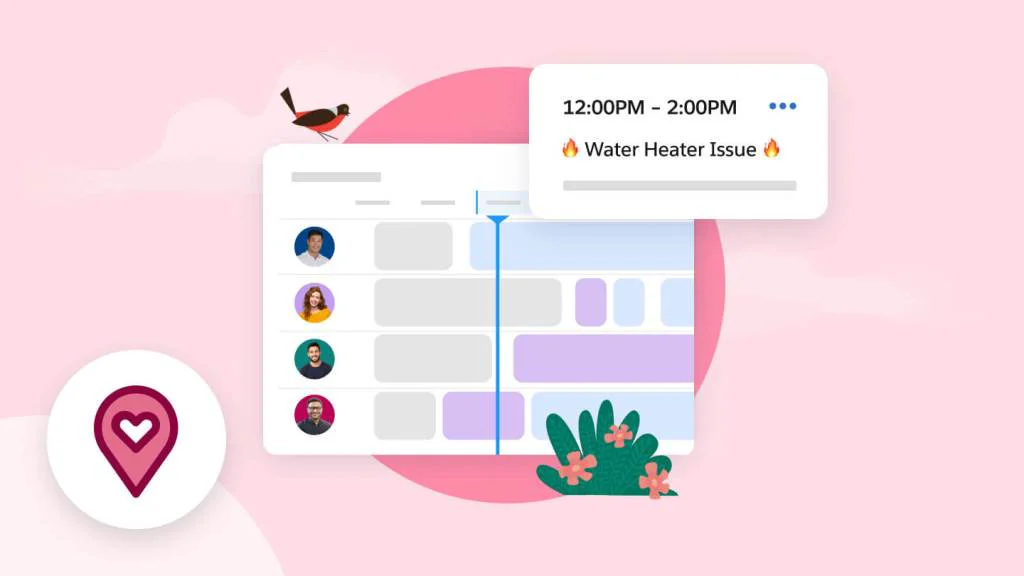
Salesforce Field Service, now branded as Field Service and Operations, is a comprehensive agentic platform designed to modernize and scale frontline field operations. Powered by Agentforce—Salesforce's AI engine—the platform enables businesses to automate appointment scheduling, empower mobile technicians, and streamline dispatcher workflows across industries of all sizes. At its core, Agentforce handles autonomous scheduling 24/7, allowing customers to book, change, or cancel appointments through any channel while intelligently managing rescheduling events, confirmations, and SLA compliance. Mobile workers benefit from AI-generated pre-work briefs, real-time access to customer history and asset data, knowledge base lookups, and automatic post-work summaries—all from the Field Service mobile app. Dispatchers gain a natural-language interface to quickly surface and act on exceptions—filling schedule gaps, locating missing parts, and resolving in-day conflicts without leaving their console. Geospatial intelligence integrates directly with the CRM for map-based, single-tap access to jobs and assets. The platform is backed by proven results: a 31% increase in first-time-fix rates, 32% improvement in mobile worker productivity, 26% reduction in truck rolls, and 27% faster new employee ramp-up times. AI Agent Monitoring provides real-time visibility into every Agentforce interaction, ensuring quality and compliance. Salesforce Field Service is ideal for enterprises in utilities, telecommunications, manufacturing, healthcare, and any industry with complex, distributed field operations requiring coordinated scheduling, asset management, and workforce optimization.
Key Features
- Agentforce Autonomous Scheduling: AI-driven 24/7 appointment management that lets customers book, change, or cancel via any channel while automatically handling rescheduling, confirmations, and in-day disruptions.
- AI-Powered Mobile Worker Tools: Field technicians receive AI-generated pre-work briefs, on-demand knowledge base answers, image-based data capture, guided troubleshooting steps, and automated post-work summaries directly in the mobile app.
- Natural Language Dispatcher Console: Dispatchers use natural language queries to surface exceptions, fill schedule gaps, locate parts, and manage SLA compliance without leaving the dispatch console.
- Geospatial CRM Intelligence: Integrates visual map-based intelligence with CRM data, enabling single-tap access to asset details, job history, and location-based routing for field teams.
- AI Agent Monitoring: Provides a centralized view of all Agentforce customer interactions in real time, giving managers full visibility and confidence in AI agent performance and task completion.
Use Cases
- Automating appointment scheduling and rescheduling for utility or telecom field crews to reduce dispatcher workload and improve SLA adherence.
- Proactively scheduling preventive maintenance for connected assets before failures occur, reducing downtime and emergency truck rolls.
- Equipping field technicians with AI-generated pre-work briefs and guided troubleshooting to increase first-time-fix rates on complex repairs.
- Enabling dispatchers to manage in-day exceptions—such as technician absences or vehicle breakdowns—using natural language queries in real time.
- Providing operations leaders with data-backed insights and AI agent monitoring dashboards to optimize workforce performance and service quality across regions.
Pros
- Proven ROI with Measurable Outcomes: Salesforce publishes concrete benchmark improvements—31% better first-time-fix rates, 32% higher mobile worker productivity, and 26% fewer truck rolls—providing strong business justification.
- Deep Salesforce Ecosystem Integration: Natively connects with Salesforce CRM, Service Cloud, and asset data, giving field teams a unified view of customer history, contracts, and real-time asset status.
- Comprehensive Agentforce AI Capabilities: From autonomous scheduling to dispatcher assistance and mobile briefs, AI is embedded throughout the platform rather than bolted on, enabling true end-to-end automation.
- Scalable for Any Industry or Company Size: Supports organizations of all sizes across utilities, telecom, manufacturing, and healthcare with flexible configuration for diverse field operation models.
Cons
- High Enterprise Cost: Salesforce Field Service is priced for enterprise buyers, making it cost-prohibitive for small businesses or teams without significant field operations budgets.
- Requires Salesforce Ecosystem Commitment: Full functionality depends on the broader Salesforce platform. Organizations not already using Salesforce CRM face significant onboarding complexity and cost.
- Complex Implementation and Configuration: Deploying and customizing the platform typically requires Salesforce-certified consultants or administrators, increasing time-to-value and total cost of ownership.
Frequently Asked Questions
What is Salesforce Field Service?
Salesforce Field Service (also called Field Service and Operations) is an AI-powered, agent-first platform for managing frontline field operations. It enables businesses to automate scheduling, empower mobile technicians, and streamline dispatcher workflows using Salesforce's Agentforce AI technology.
How does Agentforce improve field service scheduling?
Agentforce acts as an autonomous scheduling agent that operates 24/7. It handles customer appointment booking and changes across any channel, proactively schedules asset maintenance, and automatically manages rescheduling during disruptions—freeing dispatchers from manual coordination tasks.
Does Salesforce Field Service have a mobile app?
Yes. The Field Service mobile app is available for iOS and Android. It includes Agentforce-powered features such as pre-work briefs, guided troubleshooting, knowledge base lookups, image-based data capture, and automated post-work summaries for technicians in the field.
What results can businesses expect from using Salesforce Field Service?
According to Salesforce's Field Service Success Metrics Study, customers report a 31% increase in first-time-fix rates, 32% improvement in mobile worker productivity, 26% decrease in truck rolls, and 27% faster new employee ramp-up time.
Who is Salesforce Field Service best suited for?
It is best suited for mid-size to large enterprises in industries with complex field operations—such as utilities, telecommunications, manufacturing, and healthcare—that require coordinated scheduling, asset management, and a distributed mobile workforce.