

About
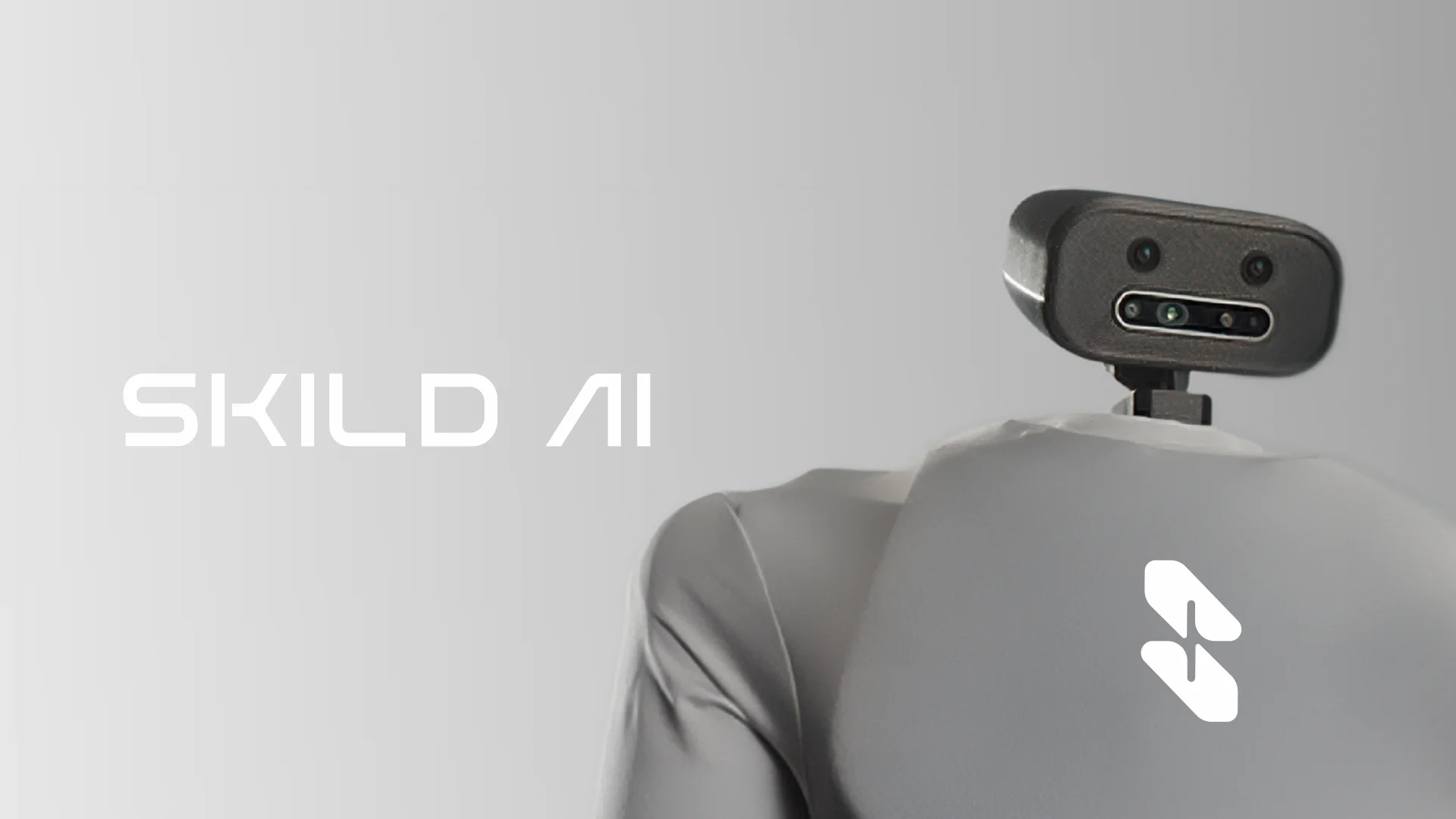
Skild AI is a cutting-edge Physical AI company developing a general-purpose robotic intelligence platform called the Skild Brain. Unlike AI that operates solely in digital environments, Skild's technology is designed to interact with and affect change in the physical world. The Skild Brain is omni-bodied — meaning it is not restricted to a single robot form factor or task type — making it a flexible foundation for a wide range of robotic applications. The platform supports three core application areas. The Security and Inspection Robot Platform enables robots to autonomously navigate unstructured and hazardous environments, reducing the need for manual, repetitive human inspection. The Mobile Manipulation Platform provides robots with low-level skills such as grasping, object handover, and navigation, all accessible via a developer-friendly API so teams can build applications without needing to solve the complexity of real-world physics themselves. The Autonomous Packing solution trains robots to perform highly precise and dexterous skills, automating repetitive assembly-line and packaging workflows. A key differentiator is Skild's data strategy: their models learn by watching human videos, offering a scalable solution to the chronic shortage of robot training data. Backed by notable funding partners, Skild AI is aimed at enterprise and industrial clients in logistics, manufacturing, security, and inspection who want to deploy AI-powered robotic automation at scale.
Key Features
- Omni-Bodied AI Brain: A single unified AI model capable of controlling any robot form factor for any task, removing the need for task-specific or robot-specific AI systems.
- Security & Inspection Robot Platform: Enables robots to autonomously navigate unstructured and dangerous environments, reducing human exposure during hazardous inspection tasks.
- Mobile Manipulation API: Provides developers with an API to invoke low-level robotic skills like grasping, handover, and navigation without needing to handle real-world physics complexity.
- Autonomous Packing: Trains robots on highly precise and dexterous skills to automate repetitive packing and assembly tasks in industrial environments.
- Human Video Learning: Models learn at scale by observing human demonstration videos, providing a scalable approach to solving the robotics training data problem.
Use Cases
- Automating security patrols and hazardous environment inspections with autonomous mobile robots
- Enabling warehouse robots to grasp, sort, and hand over items using a simple developer API
- Automating repetitive packing and assembly tasks on industrial production lines
- Building custom robot applications with pre-trained manipulation and navigation skills via API
- Deploying a single AI brain across a fleet of heterogeneous robots for multi-task industrial automation
Pros
- Universal Robot Compatibility: The omni-bodied approach means the same AI brain can be deployed across different robot types and tasks, reducing integration overhead.
- Developer-Friendly API: Abstracts complex real-world physics into simple API calls, allowing software teams to build robot applications without robotics expertise.
- Scalable Data Strategy: Learning from human videos bypasses the costly and time-consuming process of generating robot-specific training data from scratch.
- Real-World Impact: Targets high-value industrial use cases like inspection, manipulation, and packing — areas where automation delivers significant operational returns.
Cons
- Enterprise-Only Access: Skild AI appears to target large industrial and enterprise clients, with no self-serve or individual-developer tiers publicly available.
- Limited Public Documentation: Pricing, API documentation, and onboarding details are not publicly disclosed, making it difficult to evaluate the platform without direct contact.
- Early-Stage Technology: As a frontier Physical AI company, production readiness and long-term support guarantees may still be maturing compared to established automation vendors.
Frequently Asked Questions
What is Skild AI?
Skild AI is a Physical AI company building a general-purpose, omni-bodied robotic intelligence platform called the Skild Brain, designed to control any robot for any task in real-world environments.
What types of robots does Skild AI support?
Skild AI's omni-bodied approach is designed to support any robot type, including mobile platforms, manipulation arms, and inspection robots, without being limited to a specific form factor.
How does the Skild Brain learn?
The Skild Brain learns by watching human demonstration videos, providing a scalable training strategy that avoids the bottleneck of needing large volumes of robot-generated data.
Can developers build applications on top of Skild AI?
Yes. Skild offers a Mobile Manipulation Platform with an API that abstracts low-level skills like grasping, handover, and navigation, enabling developers to build robot applications without dealing with real-world physics directly.
What industries does Skild AI serve?
Skild AI targets industries with high needs for physical automation, including security and inspection, logistics and warehousing, and manufacturing — particularly for repetitive, dangerous, or unstructured tasks.