
About
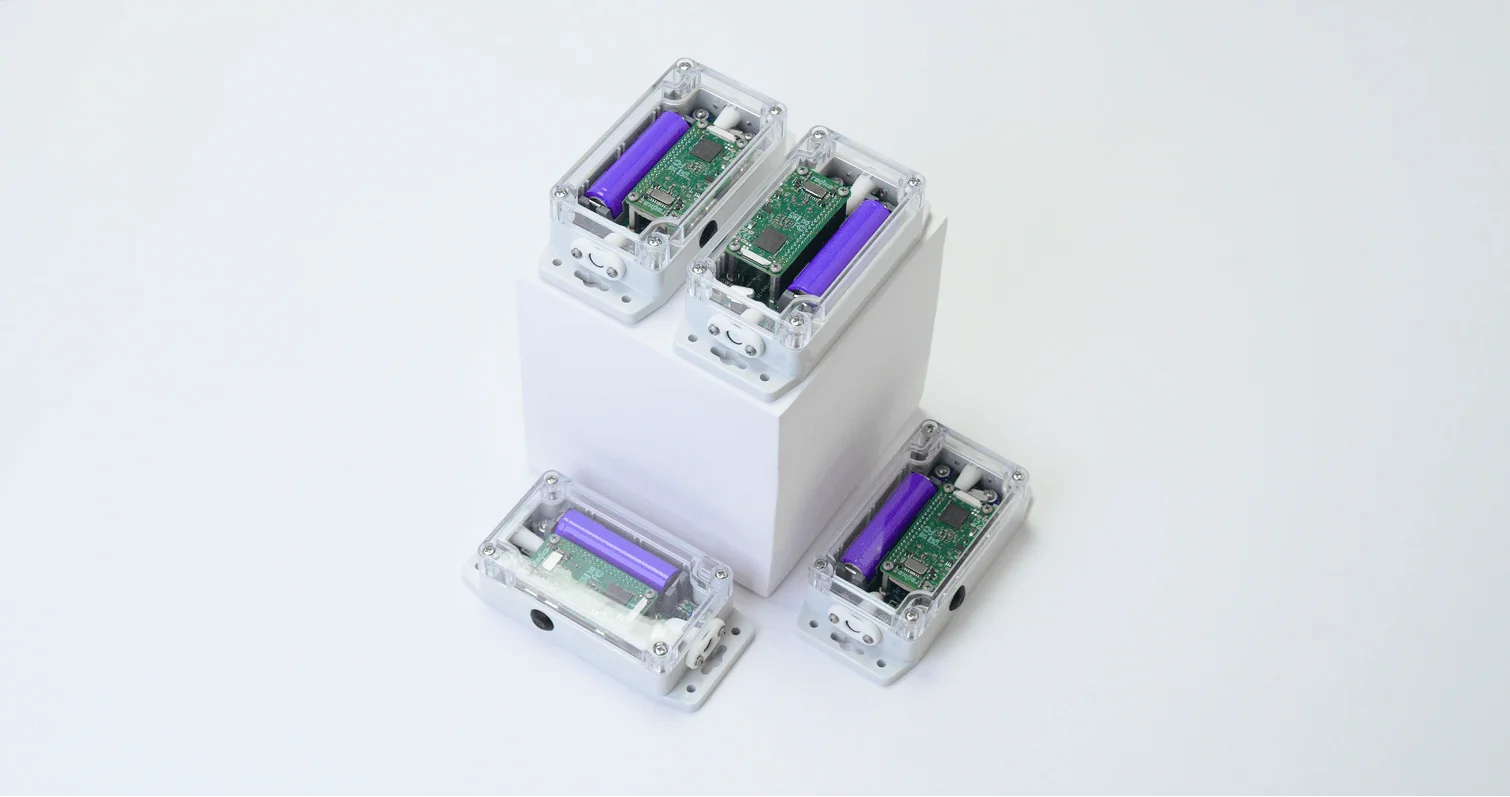
V2M (Vehicle to Machine) is an innovative AI diagnostic solution that uses sound-based analysis to detect mechanical anomalies in vehicles with 92% proven accuracy. The system works by temporarily attaching proprietary sensor units to a vehicle's front and rear, collecting audio data during a short test drive of just a few minutes. That data is transmitted to V2M's cloud server, where embedding-based and reconstruction-based AI methods analyze it for irregularities. Results are delivered back to the user through the V2M mobile app on smartphones or tablets. The platform eliminates the subjectivity and bias inherent in human-led diagnostics, standardizing the inspection process across any vehicle type and any device. It shortens inspection time from 1.5 hours to 30 minutes, reduces per-order costs, and has been shown to detect 30–50% more issues requiring repair—directly driving a 50% increase in service revenue for adopters. V2M addresses critical gaps in the automotive value chain: costly misdiagnoses, inconsistent appraisals, preventable recalls, and blind spots left by traditional OBD systems. The hardware is built from widely available US-sourced components, requires no changes to existing supply chains, and operates fully autonomously from the vehicle and the internet. The technology is NSF-approved and patented by the US government, making it a trusted solution for enterprise automotive operations, dealership networks, fleet management, and individual repair centers.
Key Features
- Sound-Based Anomaly Detection: Records vehicle audio via proprietary sensor hardware and analyzes it with AI models (embedding-based and reconstruction-based methods) to identify mechanical issues with 92% accuracy.
- Cloud-Based Diagnostic Reports: Audio data is securely transmitted to V2M's cloud servers and processed remotely, with detailed diagnostic reports delivered back to users via the mobile app in minutes.
- Rapid Inspection Workflow: Reduces vehicle inspection time from 1.5 hours to just 30 minutes, enabling higher inspection volumes and significantly lower per-order costs.
- Universal Compatibility: Hardware fits every vehicle type and runs on any mobile device (iOS and Android), requiring no changes to existing supply chains or infrastructure.
- Objective, Bias-Free Diagnostics: Eliminates reliance on subjective technician assessments by providing standardized, data-driven diagnostic results across all vehicles and service locations.
Use Cases
- Dealership service centers using V2M to speed up vehicle inspections from 1.5 hours to 30 minutes and increase service order throughput by up to 4x.
- OEM quality control teams deploying V2M on the manufacturing floor to objectively detect mechanical anomalies before vehicles leave the production line, reducing recalls and warranty costs.
- Fleet operators running periodic diagnostics across large vehicle fleets to proactively identify components at risk of failure and schedule preventive maintenance.
- Independent repair shops adopting V2M to standardize diagnostic quality, build customer trust with objective data, and increase repeat business by up to 20%.
- Used car appraisal and resale businesses leveraging V2M's objective reports to standardize vehicle condition assessments and eliminate bias from trade-in and auction evaluations.
Pros
- High Detection Accuracy: 92% proven accuracy in real-world testing across diverse vehicle types and conditions, detecting 30–50% more issues than traditional methods.
- Significant Operational Savings: Delivers up to 80% reduction in operational cost and time, and a 4x increase in inspection order volume, directly improving shop profitability.
- Government-Recognized & Patented: NSF-approved and patented by the US government, providing institutional credibility and trust for enterprise and regulated automotive environments.
- No Infrastructure Overhaul Needed: Uses widely available components and integrates into existing workflows without requiring supply chain changes or specialized technician training.
Cons
- Hardware Dependency: Requires physical proprietary sensor units to be installed and removed for each inspection, adding a logistics step compared to purely software-based OBD tools.
- Enterprise-Focused Pricing: Designed primarily for dealerships, OEMs, and fleet operators — pricing and deployment may not be accessible or cost-effective for individual car owners or small shops.
- Limited Self-Service Information: Detailed pricing, subscription tiers, and onboarding requirements are not publicly available, requiring direct contact with the V2M sales team.
Frequently Asked Questions
How does V2M detect vehicle problems?
V2M attaches proprietary sensor units to the front and rear of a vehicle, which collect audio data during a short test drive. The data is uploaded to V2M's cloud servers, where AI models using embedding-based and reconstruction-based methods analyze it for mechanical anomalies. A report is then sent back to the user through the V2M mobile app.
What types of vehicle issues can V2M detect?
V2M can detect a wide range of mechanical anomalies including hub bearing failures, CV joint and axle issues, ball-joint and bushing wear, belt tensioner and alternator problems, shock absorber issues, exhaust gas recirculation faults, blower motor irregularities, and more.
Does V2M work with all vehicle types?
Yes. V2M's hardware is designed from widely available components and is compatible with every vehicle type. The accompanying software runs on any iOS or Android mobile device, making it fully versatile across different automotive environments.
Who is V2M designed for?
V2M is built for the entire automotive value chain, including franchised dealerships, independent repair centers, OEM quality control operations, fleet managers, and individual vehicle owners who want objective data on their car's mechanical health.
Is an internet connection required to use V2M?
The V2M sensor hardware operates fully autonomously from both the vehicle's systems and the internet during data collection. However, an internet connection is needed to transmit the collected audio data to V2M's cloud servers for AI analysis and report generation.