
About
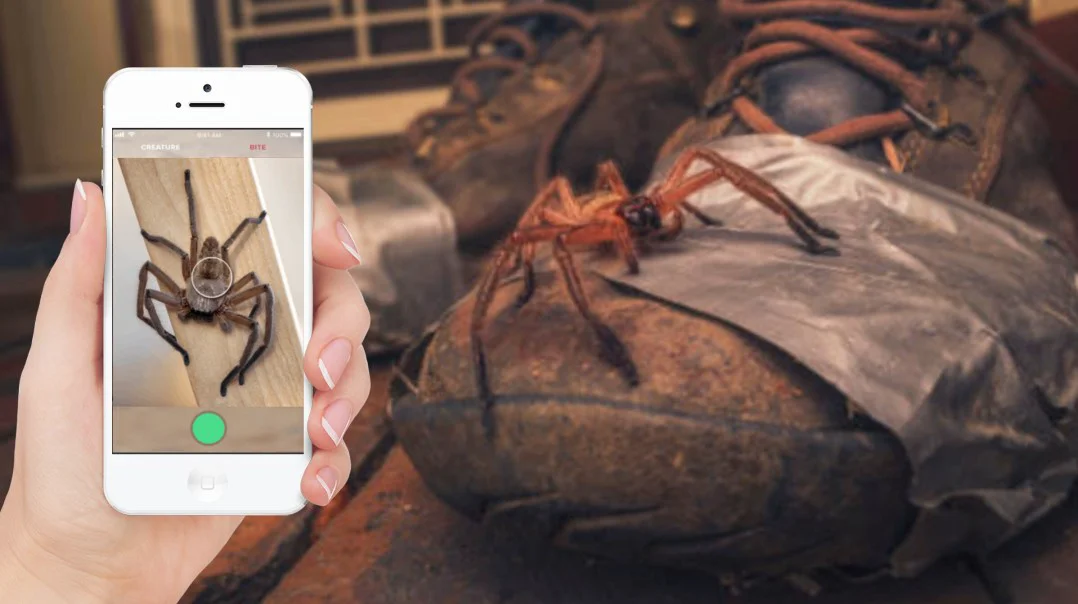
Critterpedia is a wildlife identification platform built to help Australians safely identify snakes and spiders using nothing more than a smartphone photo. Developed in collaboration with CSIRO's Data61 Imaging and Computer Vision Group, the app employs a sophisticated machine learning algorithm trained on vast, expert-verified image datasets to classify species at the family, genus, or species level with high accuracy. The system was designed with safety in mind: distinguishing between deadly and harmless species can be a matter of life and death, and the AI accounts for subtle visual differences that are difficult for untrained eyes to spot. In addition to image recognition, the platform incorporates GPS location data to further refine identifications, since species distribution varies by region. Users can actively contribute to the platform by submitting their own wildlife photos, which helps continuously improve the algorithm's training data. Beta testers can download the app and submit images directly to strengthen the model's coverage across Australia's diverse ecosystems. Beyond personal safety, Critterpedia serves as a wildlife education and awareness hub targeting hikers, outdoor enthusiasts, homeowners, schools, and conservation organizations. The project was supported by CSIRO's Kick-Start program and has received widespread media attention from outlets including Smithsonian Magazine, CNET, and the ABC. Critterpedia represents a compelling example of citizen science fused with advanced computer vision to address real-world safety challenges.
Key Features
- Photo-Based Species Identification: Users submit a photo taken on any smart device and the AI classifies the snake or spider to the family, genus, or species level.
- Machine Learning Engine: A deep learning model trained on hundreds of thousands of expert-verified images powers highly accurate species differentiation, even for visually similar animals.
- GPS-Enhanced Classification: The platform factors in the user's GPS location alongside the image to improve identification accuracy based on regional species distributions.
- Community-Driven Training: Users can contribute photos to help continuously expand and refine the training dataset, improving the model's coverage over time.
- Wildlife Education Hub: Beyond identification, Critterpedia provides educational information on species, promoting safety awareness across Australia.
Use Cases
- Identifying a snake or spider encountered at home or outdoors to assess whether it poses a safety risk.
- Educating students and the general public about Australian wildlife species and their distinguishing characteristics.
- Supporting conservation researchers and citizen scientists in cataloguing and reporting local snake and spider sightings.
- Assisting hikers, campers, and outdoor workers in quickly identifying potentially venomous species encountered in the field.
- Contributing labeled wildlife image data to help train and improve AI-powered biodiversity identification systems.
Pros
- Expert-Backed Accuracy: Trained on images curated by zoological experts and verified against multiple data sources, making identifications highly reliable.
- Dual-Input AI Model: Combines visual image analysis with GPS location data for more contextually accurate species identification than image-only tools.
- Citizen Science Integration: Allows users to actively contribute photos, fostering community involvement while continuously improving the underlying model.
Cons
- Australia-Centric Coverage: The platform is focused on Australian snake and spider species, limiting its usefulness for users in other regions.
- Beta / Limited Availability: As of its announcement, Critterpedia was in a beta phase, meaning broad public availability and full feature access may be restricted.
- Photo Quality Dependency: Identification accuracy depends heavily on the quality and clarity of the submitted photo, which can be challenging in real-world wildlife encounters.
Frequently Asked Questions
What species can Critterpedia identify?
Critterpedia is currently focused on identifying Australian snakes and spiders. It can classify animals at the family, genus, or species level depending on image clarity and available training data.
How does the AI identification work?
Users submit a photo via the app. A trained machine learning algorithm analyzes the image alongside GPS location data to classify the species and return information about it.
Is Critterpedia free to use?
Yes, Critterpedia is available for free. Beta testers can sign up to download the beta version and contribute photos to help train the algorithm.
Who built Critterpedia?
Critterpedia was developed in partnership with CSIRO's Data61 Imaging and Computer Vision Group, supported by CSIRO's Kick-Start program and a network of zoological experts.
Can I contribute to improving the app?
Yes. Users can sign up as Phase 1 beta testers to submit wildlife photos, which are used to expand and improve the machine learning model's training dataset.