

About
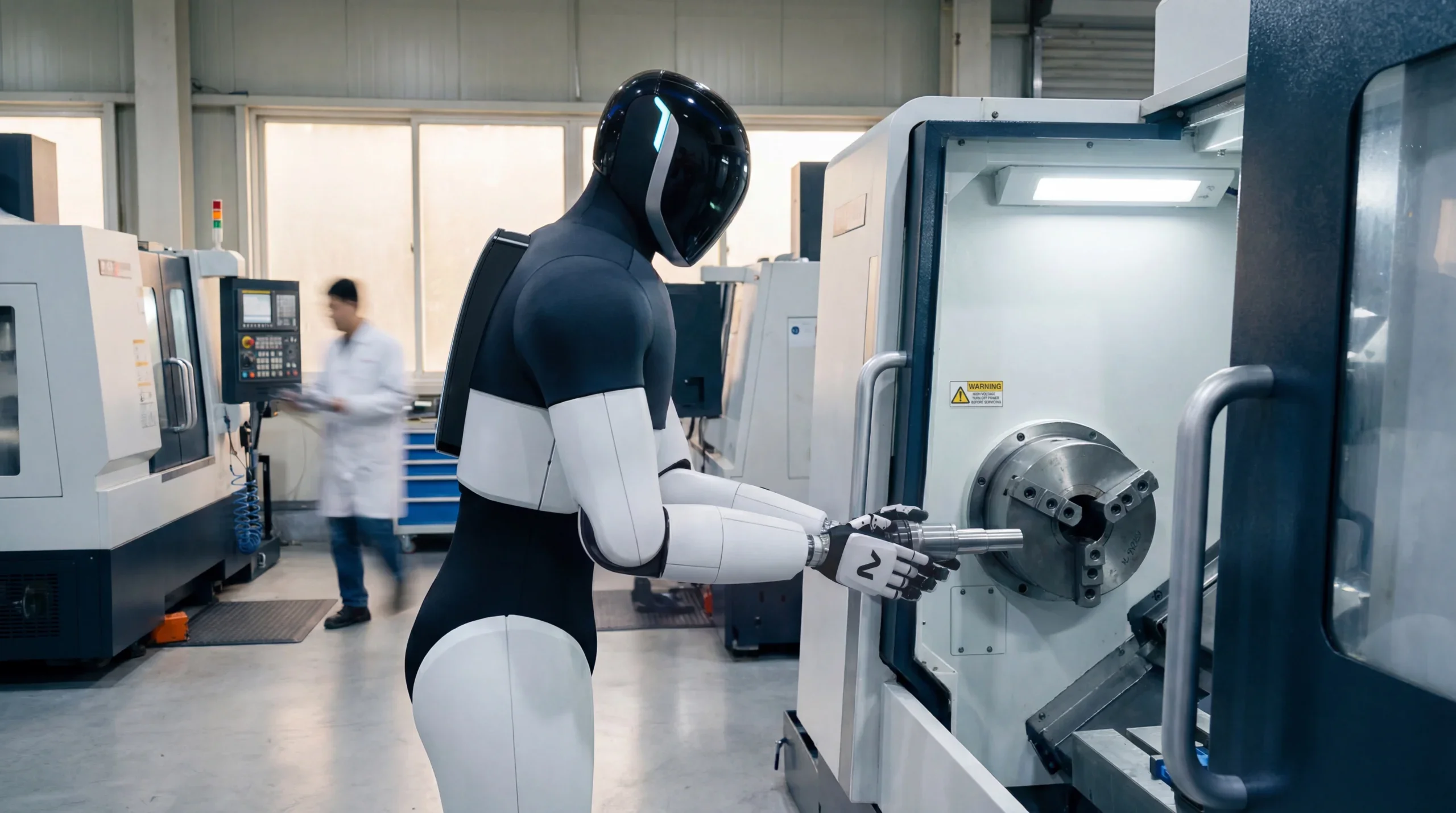
NEURA Robotics is a pioneering cognitive robotics company building AI-powered robots designed to sense, learn, and work alongside humans in real-world environments. Founded with the mission to expand human potential, the company offers a comprehensive product range including the 4NE1 — Europe's first production-ready humanoid robot — alongside MAiRA (intelligent robotic assistant), LARA (collaborative arm), MAV (mobile autonomous vehicle), and MiPA (mobile interactive platform assistant). Each robot is powered by AURA, NEURA's proprietary AI engine that enables advanced perception, real-time adaptation, and intelligent decision-making. Complementary hardware add-ons such as the NEURA OmniSensor, SenseKit, Teach, and Touch modules extend robot capabilities for specialized tasks. The Neuraverse platform connects thousands of developers, partners, and robotics experts in a global ecosystem where AI models and applications continuously improve robot intelligence. NEURA Robotics serves industries including food and beverage, logistics, medical, metal and machining, and transportation, with applications spanning machine tending, palletizing, welding, quality inspection, gluing, and sanding. Whether streamlining factory floors, supporting business operations, or assisting in everyday life, NEURA's robots are engineered to handle demanding tasks in any environment. The company targets enterprise manufacturers, logistics operators, and service businesses seeking to automate labor-intensive workflows while keeping human workers safe and productive.
Key Features
- 4NE1 Humanoid Robot: Europe's first production-ready humanoid robot with human-like fluidity, designed for industrial workflows and everyday assistance, powered by the AURA AI engine.
- Proprietary AURA AI Engine: NEURA's in-house artificial intelligence platform that enables robots to sense, perceive, learn, and adapt in real time, bridging humanoid intelligence from research to real-world deployment.
- Neuraverse Ecosystem: A global developer and partner platform that connects AI models, applications, and hardware to continuously improve robot intelligence and expand capabilities across the fleet.
- Modular Sensing Add-Ons: OmniSensor, SenseKit, Teach, and Touch modules extend perception and interaction capabilities, allowing robots to be customized for highly specific industrial or service tasks.
- Multi-Platform Robot Lineup: A diverse range of robots — MAiRA, LARA, MAV, MiPA, and 4NE1 — covers collaborative arms, mobile platforms, and humanoid robots to suit virtually any automation challenge.
Use Cases
- Automating repetitive industrial tasks such as palletizing, welding, and machine tending in manufacturing facilities to improve throughput and reduce reliance on scarce skilled labor.
- Performing AI-driven quality inspection on production lines to detect defects with greater consistency and speed than manual inspection processes.
- Deploying mobile autonomous robots in logistics and warehouse environments for goods transport, sorting, and inventory handling.
- Supporting medical and care environments with intelligent robotic assistants that can interact safely with staff and patients in dynamic settings.
- Assisting in everyday service and home environments where the 4NE1 humanoid robot can handle diverse tasks, freeing humans to focus on higher-value activities.
Pros
- Full-Stack Robotics Ecosystem: NEURA offers hardware, AI software, sensing add-ons, and a developer platform in one integrated ecosystem, reducing the complexity of deploying advanced robotics.
- Production-Ready Humanoid Robot: Unlike many competitors still in research phases, NEURA's 4NE1 is available for product reservations as a deployable solution for real industrial environments.
- Safe Human-Robot Collaboration: Robots are engineered with collaborative safety at the core, making them suitable for working directly alongside human workers without dedicated safety caging.
- Wide Industry Coverage: Supports a broad range of verticals including food and beverage, logistics, medical, and manufacturing, with purpose-built application templates for common tasks.
Cons
- High Capital Investment: Physical humanoid and collaborative robots represent a significant upfront hardware and integration cost, making adoption challenging for smaller businesses.
- Complex Deployment and Integration: Deploying cognitive robots in live industrial environments requires specialized technical expertise, infrastructure changes, and ongoing maintenance resources.
- Limited Availability: Several flagship products like the 4NE1 humanoid robot are currently only available via reservations, meaning immediate procurement may not be possible for all buyers.
Frequently Asked Questions
What is the 4NE1 humanoid robot?
4NE1 is Europe's first production-ready humanoid robot developed by NEURA Robotics. It is designed to move and work with human-like fluidity, powered by the proprietary AURA AI engine, and is intended for industrial workflows and everyday assistance tasks where skilled labor is scarce.
What is AURA and how does it work?
AURA is NEURA Robotics' proprietary artificial intelligence platform. It enables cognitive capabilities such as advanced environmental perception, real-time decision-making, and adaptive learning, transforming robots from scripted machines into genuinely intelligent systems that can respond to dynamic conditions.
What industries and applications does NEURA Robotics support?
NEURA Robotics serves food and beverage, logistics, medical, metal and machining, and transportation industries. Supported applications include machine tending, palletizing, welding, gluing and dosing, sanding and polishing, and quality inspection.
What is the Neuraverse?
Neuraverse is NEURA Robotics' global developer and partner ecosystem. It connects developers, robotics experts, and industry partners to share AI models, applications, and hardware integrations, enabling robots to become smarter over time through a collaborative community.
How can I get started with NEURA Robotics products?
You can contact the NEURA Robotics team through their website to discuss your automation challenges. For flagship products like the 4NE1 humanoid robot, product reservations are currently available. Their team will guide you through product selection and deployment planning.