
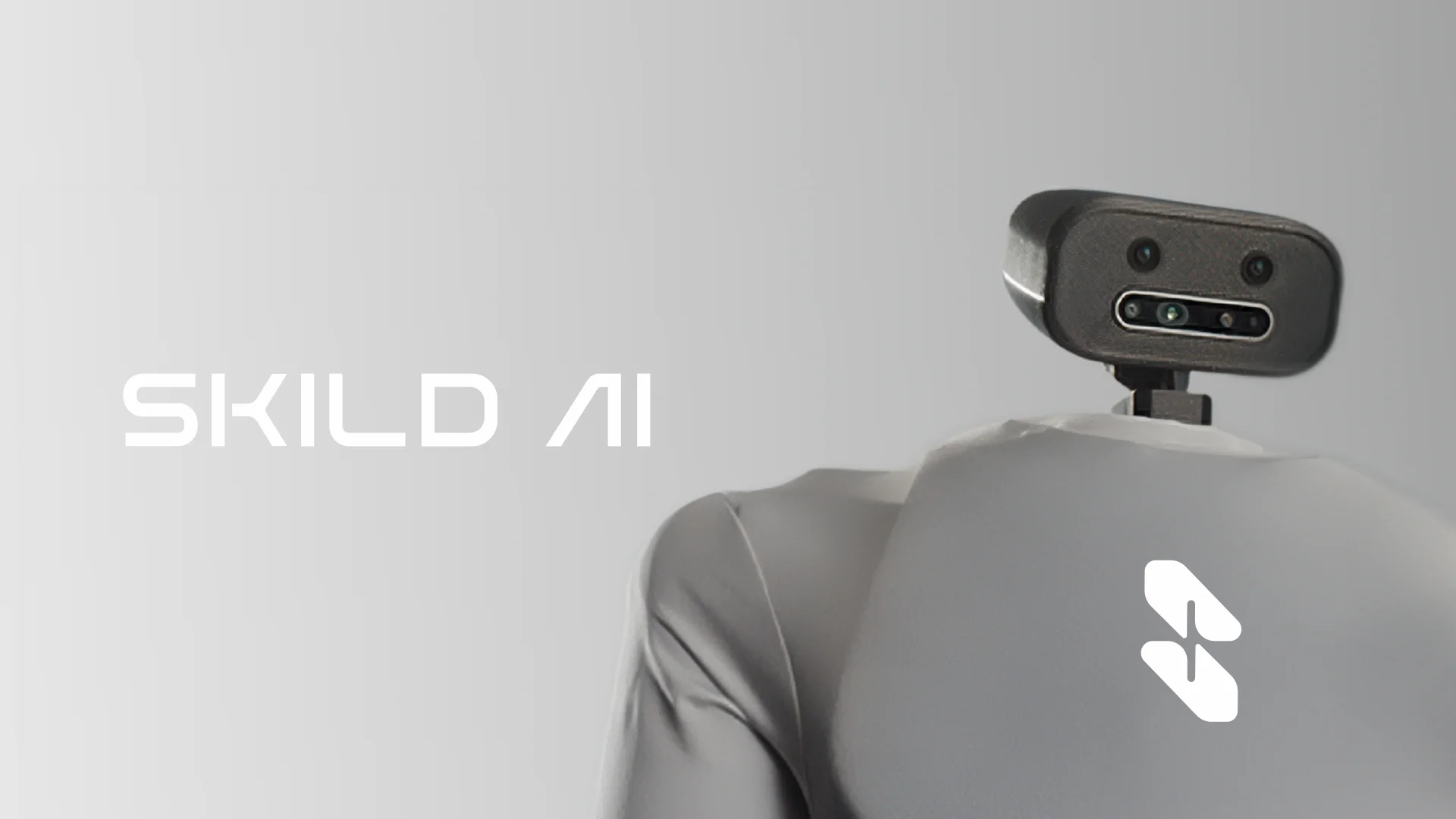

About
Skild AI is building a foundational intelligence layer for physical robotics — a single, general-purpose AI brain capable of controlling any robot for any task. Unlike narrow robotic systems tied to specific hardware or workflows, Skild Brain takes an omni-bodied approach: one model that understands and operates across mobile platforms, manipulators, inspection drones, and more. The platform learns directly from human video demonstrations, offering a scalable solution to the robotics data problem without requiring costly robot-specific datasets. Core capabilities include low-level dexterous skills (grasping, handover, navigation) and high-level task execution for applications like autonomous packing, security and inspection operations, and mobile manipulation. Developers access these skills through a clean API abstraction — abstracting away the messy details of unstructured, real-world environments. This lets teams build powerful robotic applications without needing to engineer perception, motion planning, or control systems from scratch. Skild Brain is purpose-built for enterprise and industrial use cases where automating physical labor delivers meaningful ROI: warehouse logistics, facility inspection, manufacturing, and more. Backed by notable funding partners, Skild AI is positioning itself as the operating intelligence behind the next generation of autonomous machines.
Key Features
- Omni-Bodied AI Brain: A single unified model capable of controlling diverse robot types — from mobile platforms to manipulator arms — without hardware-specific retraining.
- Human Video Learning: The model learns physical skills by watching human video demonstrations, providing a scalable and cost-effective approach to robotic training data.
- API-Driven Skill Abstraction: Low-level robotic skills like grasping, handover, and navigation are abstracted into simple API calls, enabling application development without deep robotics expertise.
- Security & Inspection Platform: Enables robots to autonomously navigate unstructured and dangerous environments, replacing manual, repetitive inspection workflows.
- Autonomous Dexterous Manipulation: Supports highly precise and dexterous skills for tasks like autonomous packing and object handling in real-world industrial settings.
Use Cases
- Automating facility security patrols and infrastructure inspections using robots navigating unstructured or dangerous environments.
- Building warehouse and logistics automation workflows with dexterous robot manipulation for picking, packing, and handover tasks.
- Developing robotic applications via API without needing in-house expertise in motion planning, perception, or low-level robot control.
- Training robots on new physical tasks using human video demonstrations rather than costly robot-specific data collection.
- Deploying a single AI model across multiple robot hardware platforms within an enterprise, reducing integration and maintenance overhead.
Pros
- Hardware-Agnostic Architecture: Works across multiple robot types and form factors, reducing vendor lock-in and enabling flexible deployment across different physical environments.
- Scalable Data Strategy: Learning from human video eliminates the need for expensive robot-specific datasets, making it far more practical to scale than traditional robotic AI approaches.
- Developer-Friendly API: Clean API abstraction lets software teams build sophisticated robotic applications without requiring deep robotics or motion planning expertise.
Cons
- Enterprise-Focused Pricing: No publicly available free tier or self-serve pricing; likely requires direct engagement with the sales team, making it inaccessible for small-scale or hobbyist projects.
- Early-Stage Product: As a startup building novel general-purpose robotic AI, real-world reliability and breadth of supported hardware may still be maturing.
Frequently Asked Questions
What makes Skild Brain different from traditional robotic AI?
Most robotic AI systems are designed for a specific robot type or task. Skild Brain takes an omni-bodied approach — one unified model that can control any robot for any task, generalizing across hardware and environments.
How does Skild Brain learn physical skills?
Skild Brain learns by watching human video demonstrations. This allows it to acquire dexterous and navigation skills from large-scale human data rather than requiring expensive robot-specific training datasets.
How do developers integrate Skild Brain into their applications?
Developers access Skild Brain's physical skills (grasping, navigation, handover, etc.) through an API. This abstracts the complexity of low-level robotics, allowing teams to focus on building application logic.
What types of robots does Skild Brain support?
Skild Brain is designed to be omni-bodied, supporting mobile robots, manipulator arms, security and inspection platforms, and mobile manipulation systems — with the goal of expanding to any robot type.
What industries is Skild Brain targeted at?
Skild Brain is designed for enterprise and industrial use cases including warehouse logistics, facility security and inspection, manufacturing automation, and any domain where automating physical labor delivers significant value.