

About
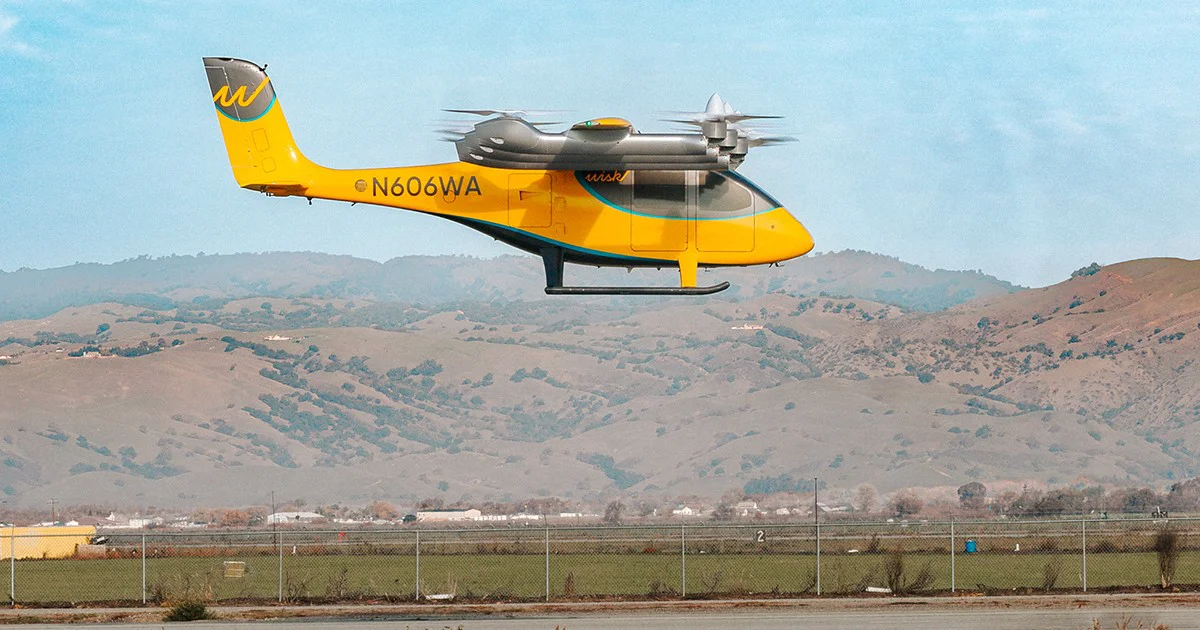
Wisk Aero is an aerospace company at the forefront of Advanced Air Mobility (AAM), developing the world's first autonomous, all-electric, four-passenger air taxi. Founded in 2010 and backed by Boeing, Wisk has built and flown six generations of aircraft, logging over 1,750 safe test flights to date. Their Gen 6 aircraft represents the culmination of more than a decade of engineering innovation, combining full autonomy with electric propulsion for zero-emission urban flight. Wisk's autonomous flight system is designed to eliminate the risks associated with human pilot error by automating the majority of flight operations, while maintaining human supervisory oversight on the ground. The aircraft features triple-redundant safety systems with no single point of failure, and undergoes comprehensive component-level testing as well as high-fidelity simulation across adverse conditions and contingency scenarios. The company is actively pursuing FAA type certification, production certification, and operation certification to bring commercial air taxi service to cities like Houston and Brisbane. Wisk's mission is to elevate people and communities through safe, accessible, and sustainable air travel—creating new job opportunities, revitalizing infrastructure, and transforming how urban populations move. Wisk is built for enterprises, city planners, and mobility ecosystem partners looking to integrate next-generation autonomous aviation into their transportation networks.
Key Features
- Full Autonomous Flight: Wisk's aircraft operate autonomously, automating the majority of flight elements to eliminate human pilot error, with human supervisors maintaining operational oversight.
- All-Electric Propulsion: Zero-emission electric powertrain enables sustainable urban air travel with reduced noise and environmental impact compared to traditional aviation.
- Triple-Redundant Safety Architecture: Aircraft systems are engineered with many triple-redundant components and no single point of failure, designed to meet or exceed commercial aviation safety standards.
- Six Generations of Proven Aircraft: Over 1,750 safe test flights across six aircraft generations since 2010, demonstrating iterative engineering maturity and real-world performance data.
- Regulatory Certification Pathway: Actively pursuing FAA type certification, production certification, and operation certification to enable safe, legal commercial air taxi operations.
Use Cases
- Urban commuters using autonomous air taxis to bypass ground traffic congestion on short city-to-city or city-to-airport routes.
- Cities and municipalities integrating Wisk's Advanced Air Mobility infrastructure to create new transportation corridors and reduce road congestion.
- Enterprise and corporate travel programs offering employees fast, autonomous aerial transport between office hubs in metropolitan areas.
- Airport connectivity services providing seamless, automated last-mile aerial links between transit hubs, city centers, and airports.
- Regional mobility operators partnering with Wisk to deploy autonomous air taxi fleets as part of a broader multi-modal transportation ecosystem.
Pros
- Boeing-Backed Credibility: Strategic backing from Boeing provides deep aerospace expertise, funding stability, and manufacturing scale to support certification and commercialization.
- Decade of Flight Testing: More than 1,750 safe test flights across six aircraft generations gives Wisk a substantial safety and engineering data advantage over newer entrants.
- Safety-First Autonomous Design: Autonomous operation with human supervisors reduces human error risk, and triple-redundant systems provide robust fault tolerance in-flight.
- Clear Certification Roadmap: Wisk is concurrently pursuing type, production, and operational certifications, positioning it as one of the most regulation-ready AAM companies globally.
Cons
- Not Yet Commercially Available: Wisk's air taxi service is still in development and undergoing certification; commercial operations have not yet launched for the general public.
- Limited Initial Market Coverage: Early commercial deployments are focused on select cities like Houston and Brisbane, limiting accessibility for most regions at launch.
- Regulatory Uncertainty: Full certification timelines are dependent on evolving FAA and international regulatory frameworks for autonomous aircraft, which may introduce delays.
Frequently Asked Questions
What is Wisk Aero?
Wisk Aero is an aerospace company developing the world's first autonomous, all-electric, four-passenger air taxi. Backed by Boeing, Wisk has been building and testing aircraft since 2010 with over 1,750 safe test flights completed.
How does Wisk's autonomous flight system work?
Wisk's aircraft automate the majority of flight operations using advanced onboard systems, eliminating the need for an onboard pilot. Human supervisors on the ground maintain oversight of flights to ensure safety and handle edge cases.
Is Wisk's air taxi safe?
Yes. Wisk designs its aircraft to meet or exceed commercial aviation safety standards, using triple-redundant systems with no single point of failure, comprehensive component testing, and high-fidelity simulation of adverse conditions and emergencies.
Where will Wisk operate?
Wisk has announced initial launch markets including Houston, Texas and Brisbane, Australia, with plans to expand Advanced Air Mobility services to additional cities as certifications are obtained.
What certifications is Wisk pursuing?
Wisk is working toward three key FAA certifications: type certification (validating the aircraft design), production certification (authorizing manufacturing), and operation certification (permitting commercial passenger service).